


How Can Invisalign in Palmdale Help Correct Unevenly Spaced Teeth?
Uneven gaps between teeth can affect your smile, confidence, and oral health. While some spaces are natural, others develop from shifting teeth, missing teeth, or changes in gum health. Invisalign in Palmdale offers a discreet orthodontic solution for many of these spacing concerns. Using customized clear aligners, this treatment gradually moves teeth into better positions without traditional metal braces. Understanding its benefits, limitations, and treatment process can help you decide whether clear aligners are right for your smile.
Table of Contents
- How Does Invisalign in Palmdale Correct Uneven Tooth Spacing?
- What Causes Uneven Spaces Between Teeth?
- How Invisalign in Palmdale Helps Close Front Tooth Gaps
- Benefits of Invisalign for Unevenly Spaced Teeth
- What Happens During Invisalign Treatment?
- How Long Does Invisalign Take to Correct Tooth Gaps?
- Understanding Invisalign Cost in Palmdale
- Choosing the Right Invisalign Dentist in Palmdale
- Tips for Successful Invisalign Treatment
- Frequently Asked Questions
- Can Invisalign completely close gaps between teeth?
- Is Invisalign effective for large spaces between teeth?
- Is Invisalign painful when closing tooth gaps?
- Can tooth gaps return after Invisalign treatment?
- Can adults use Invisalign for unevenly spaced teeth?
- Is Invisalign better than braces for correcting tooth spacing?
- Frequently Asked Questions
- Conclusion
How Does Invisalign in Palmdale Correct Uneven Tooth Spacing?
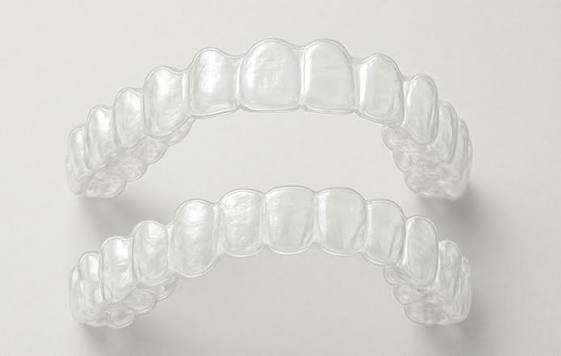
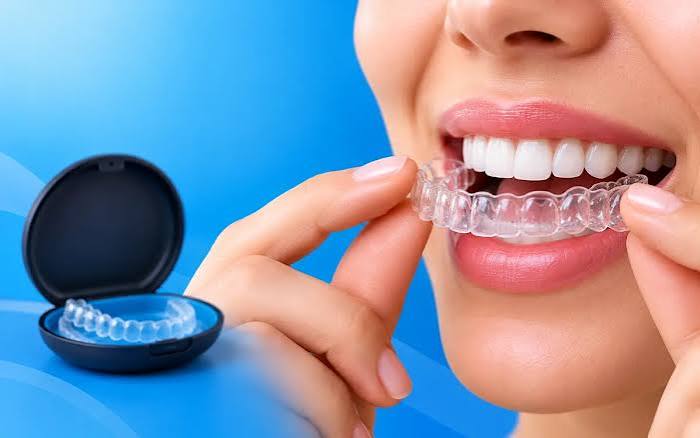
Clear aligners offer a discreet and convenient way to correct uneven tooth spacing. Invisalign in Palmdale uses a series of custom-made, removable trays that apply controlled pressure to gradually shift teeth into their planned positions, helping reduce unwanted gaps and improve overall alignment.
Each aligner is designed for a specific stage of treatment. As patients progress through their prescribed trays, teeth gradually shift toward the desired arrangement.
The process typically includes:
- Digital examination: The dentist evaluates tooth spacing, bite alignment, and overall oral health.
- Personalized treatment planning: Digital scans help create a customized tooth movement plan.
- Gradual tooth movement: Clear aligners guide teeth into new positions over time.
- Progress monitoring: Routine dental visits help track results and identify necessary adjustments.
- Long-term retention: Retainers help maintain the corrected alignment after treatment.
Clear aligners work well for many mild to moderate spacing problems. However, complex cases may require additional orthodontic procedures or alternative treatments.
What Causes Uneven Spaces Between Teeth?
Tooth gaps can develop for several reasons. Identifying the underlying cause helps determine whether Invisalign can treat it effectively.
Differences in Tooth and Jaw Size
When teeth are relatively small compared with the space available within the jaw, noticeable gaps may form. These spaces often appear between the front teeth but can occur throughout the mouth.
Missing or Shifting Teeth
Losing a permanent tooth can allow nearby teeth to move into the empty space. This movement may create uneven gaps and affect how the upper and lower teeth fit together.
In some cases, replacing a missing tooth is necessary before or after orthodontic treatment.
Gum Disease and Bone Loss
Advanced gum disease can weaken the tissues and bone supporting teeth. As support decreases, teeth may gradually shift apart.
Active periodontal disease requires professional evaluation and treatment before orthodontic movement begins.
Genetics and Natural Development
Inherited factors, including jaw size, tooth shape, and eruption patterns, can contribute to natural spacing.
Some individuals develop gaps despite maintaining healthy teeth and gums.
How Invisalign in Palmdale Helps Close Front Tooth Gaps
A space between the two upper front teeth is known as a diastema. It is one of the most recognizable types of dental spacing.
Invisalign may help close this gap by gradually guiding the front teeth closer together. However, treatment success depends on the cause and size of the space.
For example, a patient with a small gap caused by natural tooth positioning may respond well to aligner treatment. Someone with a gap related to unusually small teeth may also need cosmetic bonding or another restorative procedure to achieve the desired appearance.
Similarly, a gap caused by periodontal disease requires attention to gum health before tooth movement.
This is why a comprehensive dental examination is essential before beginning treatment.
Uneven tooth spacing affecting your confidence? Farzad Dental in Palmdale offers personalized Invisalign consultations to assess your smile, discuss clear aligner options, and explain treatment expectations. Take the next step toward improved dental alignment.
Benefits of Invisalign for Unevenly Spaced Teeth
Clear aligner therapy offers several advantages for patients who want to improve their dental alignment without traditional braces.
Discreet Appearance
Invisalign aligners are made from transparent material that fits closely over the teeth. Their subtle appearance appeals to adults and teenagers who prefer a less noticeable orthodontic option.
Removable Convenience
Unlike fixed braces, aligners can be removed during meals and oral hygiene routines.
Patients can continue enjoying their usual foods without navigating brackets or wires. However, remove the trays before eating and drinking anything other than plain water.
Personalized Tooth Movement
Digital treatment planning helps the provider map individual tooth movements based on the patient’s spacing concerns and bite condition.
This customized approach supports controlled alignment throughout treatment.
Easier Oral Hygiene
Removable trays allow patients to brush and floss normally, helping them maintain good oral hygiene during orthodontic care.
Improved Smile Appearance
Closing unwanted gaps can create a more balanced smile. In suitable cases, correcting tooth positions may also improve bite relationships and make certain areas easier to clean.
However, results vary depending on the original alignment and individual treatment needs.
What Happens During Invisalign Treatment?
An experienced Invisalign dentist in Palmdale begins by examining the teeth, gums, and bite to determine whether clear aligner treatment is appropriate.
Step 1: Initial Consultation
The dentist reviews the patient’s dental history and evaluates spacing concerns. The dentist may use digital scans, photographs, or X-rays to assess tooth position and supporting structures.
Step 2: Customized Treatment Plan
Digital planning tools help illustrate the intended tooth movements and treatment stages.
The dentist explains the estimated duration, expected improvements, and any limitations before treatment begins.
Step 3: Wearing Clear Aligners
Patients typically wear their trays for 20–22 hours per day, as directed by their provider.
Aligners are usually replaced every one to two weeks, although the schedule depends on the treatment plan.
Step 4: Progress Evaluations
Regular appointments allow the dentist to monitor tooth movement and check whether the aligners fit properly.
Additional trays may be necessary to refine alignment.
Step 5: Retention After Treatment
Once active treatment ends, retainers help maintain the corrected positions.
Without consistent retention, teeth can gradually shift, allowing unwanted spaces to return.
How Long Does Invisalign Take to Correct Tooth Gaps?
Treatment duration depends on the number and size of gaps, bite complexity, and how consistently patients wear their aligners.
Some mild spacing cases may take approximately 6–12 months. More complex alignment problems can require 12–18 months or longer.
Several factors influence the timeline:
- Severity and location of tooth gaps
- Additional crowding or bite problems
- Daily aligner wear time
- Individual response to orthodontic movement
- Need for refinements or additional treatment
These timeframes are general estimates. A dentist can provide a more personalized projection after examining the patient’s teeth.
Understanding Invisalign Cost in Palmdale
Patients searching for Invisalign cost near them often want to compare treatment options before deciding.
The overall cost varies based on case complexity, treatment duration, provider fees, and additional procedures.
A treatment estimate may include digital records, aligners, progress visits, refinements, and retainers. However, patients should confirm exactly what is covered.
Dental insurance plans with orthodontic benefits may help cover part of the expense, depending on individual policy terms.
When comparing providers, ask for a written estimate and check whether payment arrangements are available.
Choosing treatment based on clinical suitability and comprehensive care is generally more valuable than focusing only on the lowest advertised price.
Choosing the Right Invisalign Dentist in Palmdale
Finding a qualified dental care provider is an important part of achieving predictable orthodontic results.
People searching for the best Invisalign dentist near them should evaluate treatment experience, communication, and the quality of the initial examination rather than relying only on online ratings.
Important considerations include:
- Experience with Invisalign and orthodontic alignment cases
- Evaluation of gum health and bite function
- Individualized treatment planning
- Transparent pricing and realistic expectations
- Routine monitoring and post-treatment retention guidance
A trusted dentist in Palmdale should also explain when clear aligners may not be the most appropriate solution.
For patients exploring orthodontic options, Farzad Dental’s Invisalign services provide a starting point for learning about available clear aligner care.
Individuals living in Palmdale, Quartz Hill, Rosamond, Vincent, Desert View Highlands, Rancho Vista, and Pearland can consider a professional dental evaluation to explore suitable treatment options.
Tips for Successful Invisalign Treatment
Following proper daily habits can help patients stay on track with their prescribed treatment.
- Wear aligners as directed. Keep trays in place for the recommended daily wear time to support consistent tooth movement.
- Maintain excellent oral hygiene. Brush and floss regularly, especially before reinserting aligners after meals.
- Clean trays properly. Follow the provider’s cleaning instructions and avoid hot water, which can distort the material.
- Follow the replacement schedule. Do not switch to new trays earlier than instructed without professional guidance.
- Attend progress appointments. Regular evaluations help identify alignment concerns and keep treatment on track.
- Use retainers after treatment. Long-term retention helps protect results and reduces the risk of spaces reopening.

Frequently Asked Questions
Can Invisalign completely close gaps between teeth?
Invisalign can fully close many tooth gaps, depending on their size and underlying cause. Some patients may need additional procedures, such as dental bonding or restorative treatment, for optimal results.
Is Invisalign effective for large spaces between teeth?
Clear aligners can improve certain larger gaps, but their effectiveness depends on bite alignment and the complexity of tooth movement. Severe spacing problems may require alternative or combined orthodontic treatment.
Is Invisalign painful when closing tooth gaps?
Patients may experience mild pressure or temporary tenderness when wearing a new aligner. This discomfort usually improves within a few days. Severe or persistent pain should be evaluated by a dental professional.
Can tooth gaps return after Invisalign treatment?
Yes. Teeth can gradually move after orthodontic treatment. Wearing retainers according to the dentist’s recommendations helps maintain alignment and lowers the risk of gaps returning.
Can adults use Invisalign for unevenly spaced teeth?
Yes. Invisalign may be suitable for adults with healthy gums and appropriate orthodontic needs. A dental evaluation helps determine whether the existing spacing and bite can be treated with clear aligners.
Is Invisalign better than braces for correcting tooth spacing?
Both Invisalign and traditional braces can correct many spacing problems. Clear aligners offer a removable, less noticeable option, while braces may be more appropriate for certain complex tooth movements. The best choice depends on individual dental conditions.
Conclusion
Unevenly spaced teeth can affect smile appearance, bite alignment, and oral hygiene. Invisalign in Palmdale offers a convenient, discreet option to gradually correct many unwanted gaps with customized clear aligners. Successful results depend on identifying the cause of tooth spacing, developing an appropriate treatment plan, and following the recommended aligner schedule. Maintaining good oral health and wearing retainers after treatment are equally important for long-term stability.
A comprehensive dental consultation can help patients understand their options, set realistic expectations, and take an informed step toward a healthier, more balanced smile.
Planning to improve unevenly spaced teeth with Invisalign in Palmdale? Get Directions to Farzad Dental Office on Google Maps to explore the location and plan a convenient visit for your Invisalign consultation.