


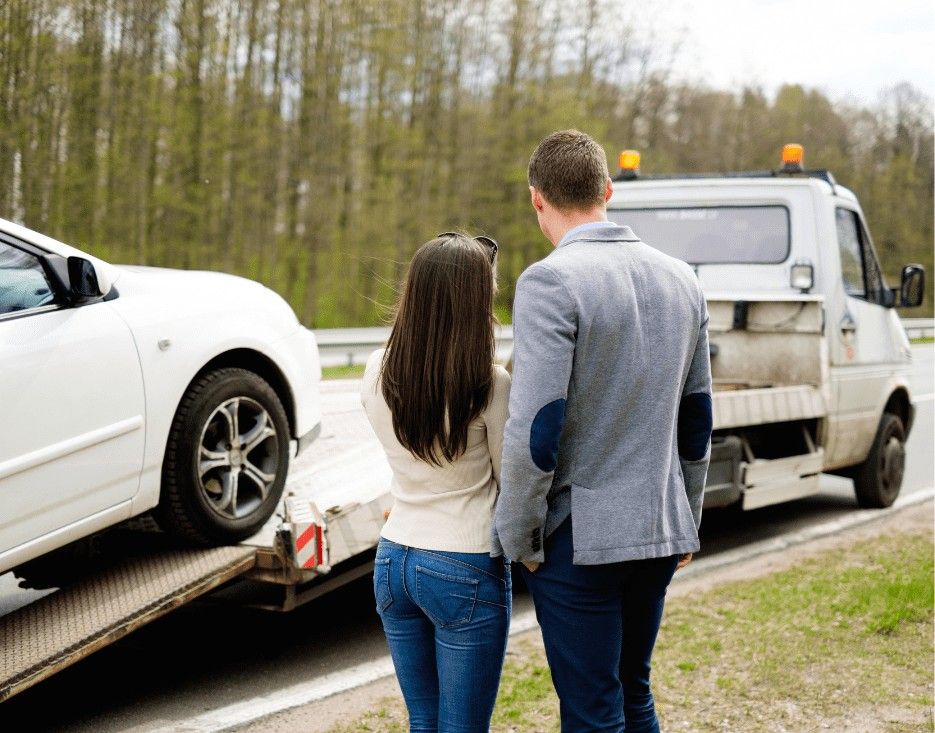
Essential Safety Tips Before Your Vehicle Is Towed in San Diego
A vehicle breakdown or accident can happen when you least expect it, whether you’re driving through Downtown San Diego, heading along Interstate 5 (I-5), or commuting across Mission Valley. During these stressful moments, knowing what to do before your vehicle is moved can help prevent additional damage and make the entire process smoother. Choosing a reliable towing service in San Diego is only one part of the equation—taking a few important safety steps beforehand is equally important. This guide explains what every San Diego driver should know before a vehicle is towed and why preparation matters.
Table of Contents
- Why Preparing Your Vehicle Before Towing Matters?
- Stay Safe Before You Think About the Tow
- Gather Important Items Before the Tow Truck Arrives
- Inform the Tow Truck Operator About Existing Problems
- Remove Your Vehicle From Gear Properly
- Understand Which Towing Method Is Best
- Ask Questions Before Your Vehicle Is Loaded
- Verify the Destination Before the Tow Begins
- What If You Need Emergency Towing?
- Choosing the Right Local Towing Provider
- Common Questions Drivers Ask Before Calling
- Conclusion
Why Preparing Your Vehicle Before Towing Matters?
Many drivers assume the towing company handles everything once the truck arrives. While experienced operators are trained to transport vehicles safely, there are several things only the vehicle owner can do before the tow begins. Taking a few minutes to prepare your vehicle helps protect personal belongings, reduces the risk of accidental damage, and ensures the tow proceeds without unnecessary delays.
San Diego’s mix of busy freeways, steep neighbourhoods, coastal roads, and urban traffic creates different towing situations every day. Whether your vehicle stops near La Jolla, Kensington, Grantville, Chula Vista, or Interstate 15 (I-15), being prepared improves safety for everyone involved.
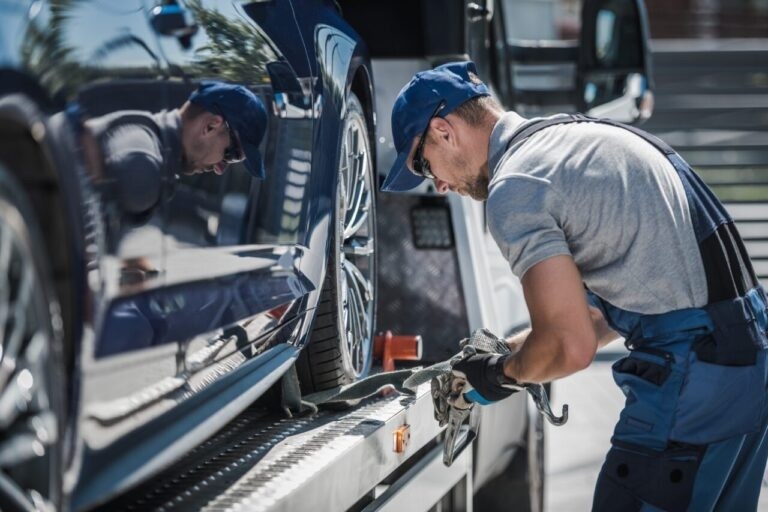
Stay Safe Before You Think About the Tow
Move to a Safe Location Whenever Possible
If your vehicle is still operational after experiencing mechanical trouble, carefully move it away from moving traffic. Parking on the shoulder or a nearby safe street can significantly reduce the chance of another collision. On heavily travelled roads like Interstate 8 (I-8) or I-5, remaining inside your vehicle may be safer if exiting places that are close to fast-moving traffic. If you cannot safely relocate the vehicle, turn on your hazard lights immediately. These lights make your vehicle more visible, especially at night or in poor weather.
Stay Visible to Other Drivers
Visibility plays a major role in roadside safety. If available, place reflective warning triangles several feet behind your vehicle to alert approaching drivers. Wearing a reflective vest is also recommended if you must exit the vehicle near traffic. San Diego’s morning and evening rush hours can create limited reaction time for drivers. Extra visibility gives motorists more time to slow down or safely change lanes.
Gather Important Items Before the Tow Truck Arrives
Once your vehicle reaches a repair shop or storage location, retrieving personal items may not always be convenient. Before the tow truck operator secures your vehicle, remove any valuables or items necessary for your day.
Consider taking:
- Wallet and identification
- Mobile phone and charger
- Insurance documents
- Vehicle registration
- House or office keys
- Prescription medications
- Laptop or personal electronics
These simple steps help avoid unnecessary inconvenience after your vehicle has been transported.
Take Photos of Your Vehicle
Documenting your vehicle’s condition before towing is a smart precaution. Use your smartphone to take clear photos from multiple angles, including the front, rear, both sides, wheels, and any existing dents or scratches. These images provide a record of your vehicle’s condition before transport. They can also be useful if questions arise later about existing damage or repairs.
Inform the Tow Truck Operator About Existing Problems
Mechanical Issues Matter
Every vehicle has different towing requirements. Be sure to mention any mechanical or electrical problems that may affect the towing process. This includes steering issues, locked wheels, transmission problems, brake failure, or suspension damage. Providing accurate information helps the tow truck service operator choose the safest towing method and appropriate equipment.
Mention Modifications
If your vehicle has been lowered, lifted, fitted with oversized tires, or modified in any way, inform the operator before loading begins. Modified vehicles often require extra clearance or specialized handling during transport.
Need dependable towing assistance in San Diego? Contact an experienced team anytime for safe vehicle transport, emergency towing, and roadside help when you need it most.
Remove Your Vehicle From Gear Properly
Automatic vehicles should normally be placed in Park unless the towing operator instructs otherwise. Manual transmission vehicles generally require Neutral during loading. Always follow the guidance provided by the operator, as the towing equipment and vehicle type determine the safest procedure. Never attempt to release the parking brake or shift gears without understanding the proper process. Modern vehicles often include electronic parking brake systems that require special handling.
Understand Which Towing Method Is Best
Flatbed Towing
Flatbed towing places the entire vehicle on a trailer, preventing the tires from contacting the road. This method is commonly recommended for luxury vehicles, electric vehicles, all-wheel-drive models, motorcycles, and vehicles with significant mechanical damage.
Wheel-Lift Towing
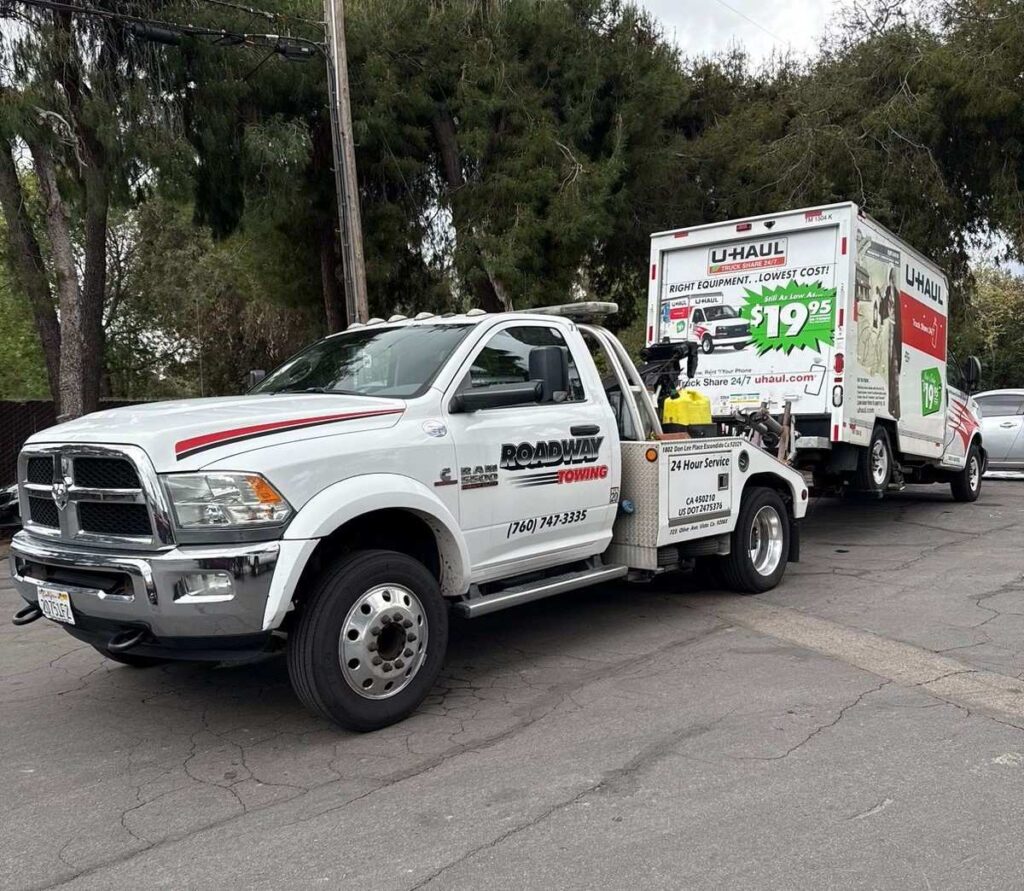
Wheel-lift towing raises either the front or rear wheels while the remaining wheels stay on the road. This method works well for many short-distance transportation needs when appropriate for the vehicle. The best towing company approach depends on your vehicle’s drivetrain, condition, manufacturer recommendations, and the surrounding environment.
Ask Questions Before Your Vehicle Is Loaded
Many drivers hesitate to ask questions because they’re stressed or in a hurry. However, understanding the process can help you feel more comfortable.
Some helpful questions include:
- Where is my vehicle being taken?
- Approximately how long will transportation take?
- Will I receive documentation?
- Are there any special instructions after delivery?
A professional towing company should be willing to answer reasonable questions and explain the process clearly.
Verify the Destination Before the Tow Begins
Miscommunication can cause unnecessary delays or added expenses. Confirm the repair facility, dealership, residence, or storage location before the vehicle leaves. If you’re searching online for a towing service near you, double-check the address before giving instructions. Accurate information ensures your vehicle reaches the intended destination without confusion. For easier navigation, you can visit our location using your preferred map directions before arriving, helping you verify the route and estimate travel time.
What If You Need Emergency Towing?
When Should You Request Immediate Assistance?
Some roadside situations require immediate help rather than waiting. Examples include accidents, engine failure in active traffic lanes, overheating, tire blowouts on freeways, or vehicles that cannot be driven safely. An emergency towing service helps move disabled vehicles away from dangerous locations as quickly as possible while reducing traffic risks.
Vehicle Recovery After Difficult Situations
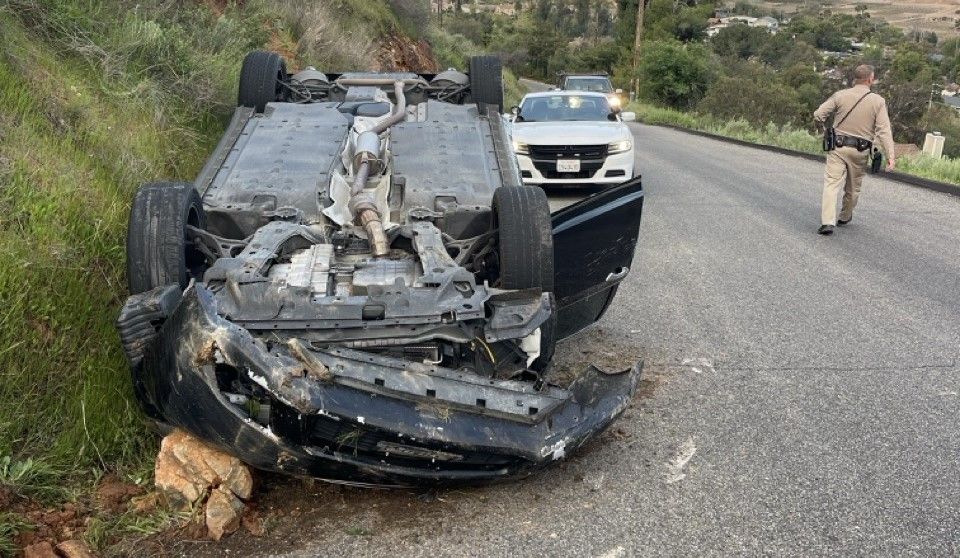
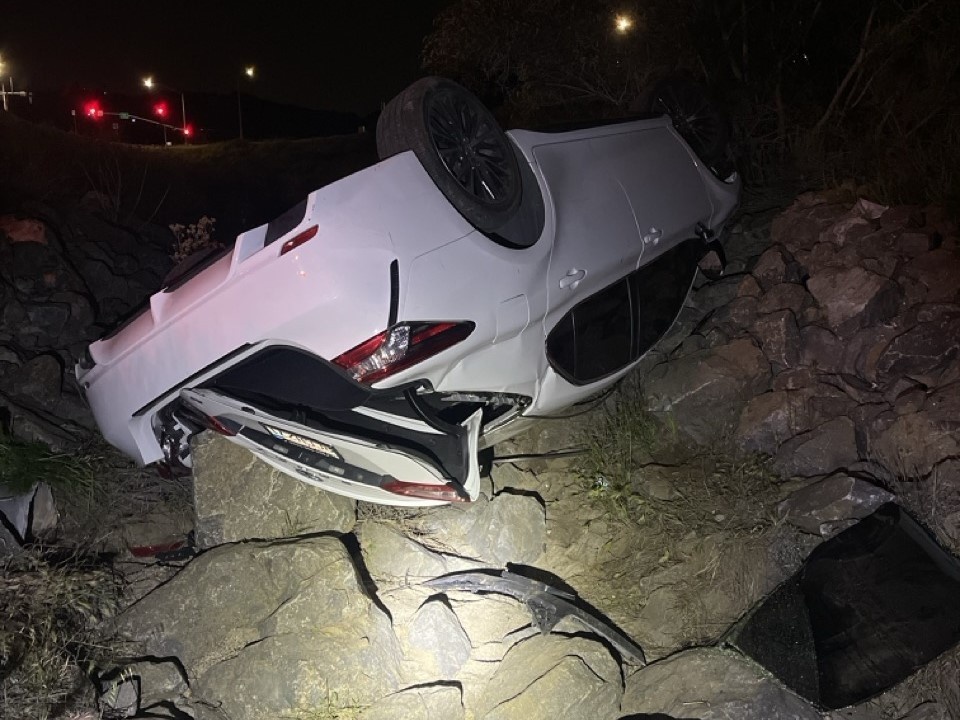
Sometimes a vehicle leaves the roadway because of heavy rain, uneven terrain, or minor collisions. In these situations, vehicle recovery equipment may be needed before towing can even begin. Recovery differs from standard towing in that specialized equipment safely removes vehicles from ditches, embankments, parking structures, or other difficult positions before transport.
Choosing the Right Local Towing Provider
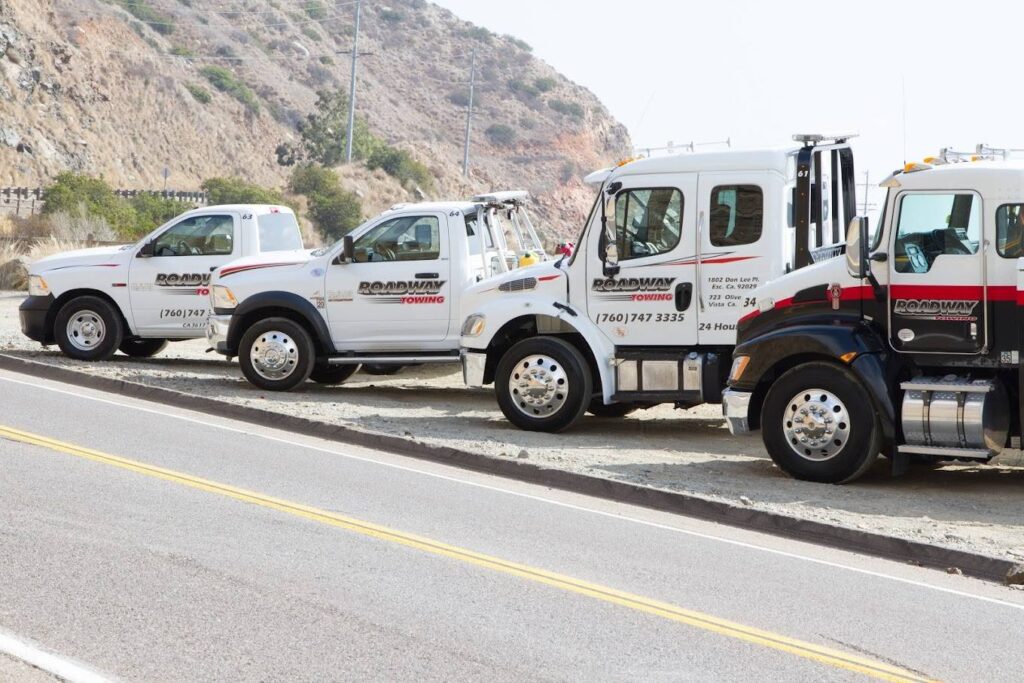
When selecting a trusted towing service in San Diego, look beyond response time alone. Experience, proper equipment, transparent communication, and trained operators all contribute to a safer towing experience. A reputable professional towing company should explain the towing process, answer your questions, and use equipment appropriate for your vehicle. If you’re comparing a local tow truck company, check whether they can handle your specific vehicle type and towing requirements.
Common Questions Drivers Ask Before Calling
Is It Safe to Stay Inside My Vehicle?
It depends on the location. On busy freeways such as I-5 or I-8, local safety guidance may recommend remaining inside the vehicle with your seatbelt fastened if exiting would expose you to traffic. In other situations, moving to a safe location away from the roadway may be the better choice.
How Long Does a Tow Usually Take?
Response times vary depending on traffic, weather, location, and demand. Areas such as Downtown San Diego or Mission Valley may experience heavier traffic during peak commuting hours, which can affect arrival times.
Should I Wait With My Vehicle?
If it is safe to do so, remaining near your vehicle helps the operator identify you and confirm transportation details. Always prioritize your personal safety over staying with the vehicle.
Frequently Asked Questions
What should I remove before my vehicle is towed?
Remove valuable belongings, important documents, medications, electronics, and anything you may need before reaching your destination. It’s much easier than retrieving them later from a repair facility or storage location.
Can all vehicles be towed the same way?
No. Different vehicles require different towing methods depending on their drivetrain, weight, and condition. The towing operator will choose the safest approach based on the vehicle’s specifications.
When should I call an emergency towing service?
Call for emergency towing if your vehicle creates a traffic hazard, cannot be driven safely, or has been involved in an accident. Quick assistance helps reduce additional safety risks for you and other motorists.
Why is vehicle recovery different from towing?
Vehicle recovery focuses on safely removing a vehicle from difficult locations before transportation begins. Once recovered, the vehicle can then be transported using appropriate towing equipment.
How do I choose a reliable tow truck service?
Look for clear communication, trained operators, appropriate equipment, and transparent service information. Reading reviews and confirming service capabilities can also help you make an informed decision.
Conclusion
Preparing your vehicle before it is towed can make a stressful situation far more manageable. From protecting your belongings to understanding the safest towing method, these small steps reduce complications and help ensure your vehicle is transported securely. Whether you’re near Kensington, Grantville, Downtown San Diego, Mission Valley, La Jolla, or Chula Vista, knowing what to expect makes the process easier.
The next time you need a towing service in San Diego, remember that your own preparation plays an important role alongside the operator’s expertise. Staying calm, communicating clearly, and following basic safety practices can help protect both you and your vehicle during every stage of the towing process.